
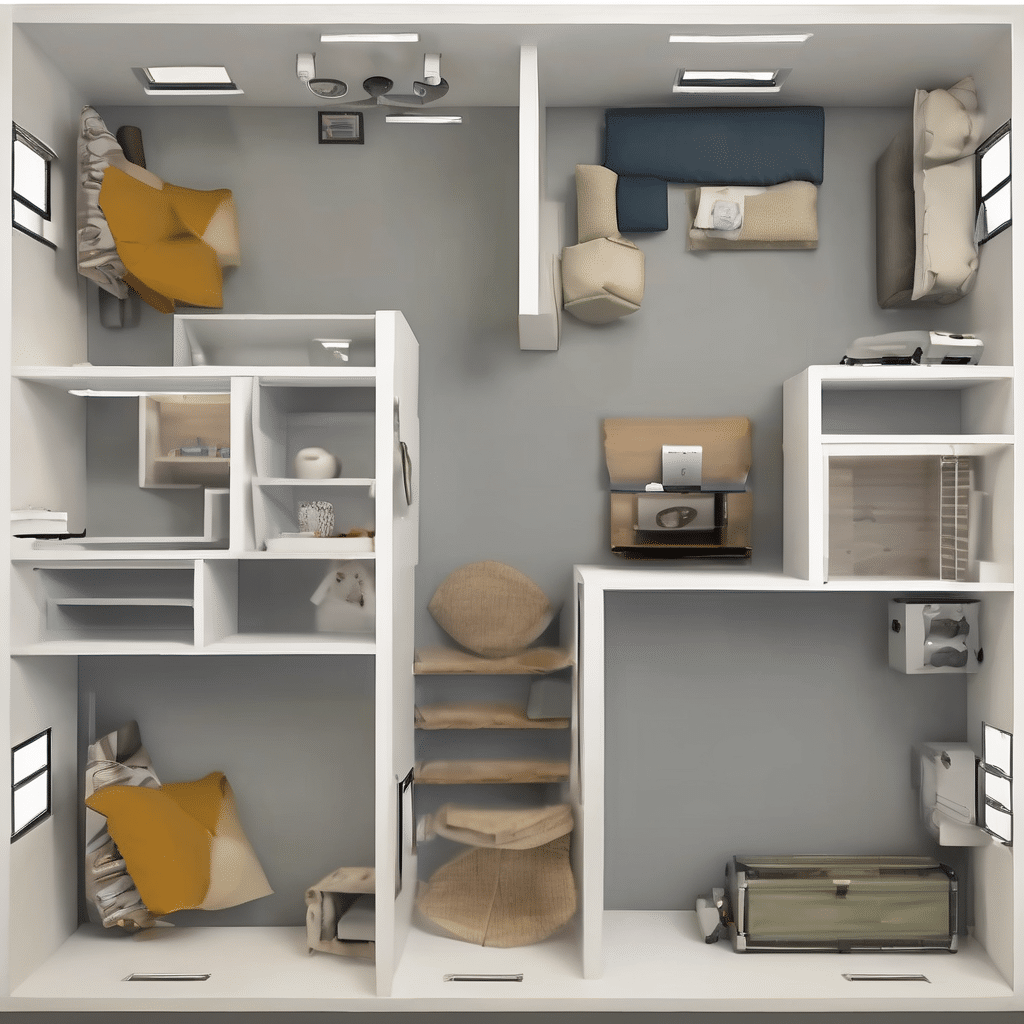
Finding the right storage unit size can be a daunting task, especially for Australian homeowners who are looking to maximise space and efficiency.
Understanding Storage Needs
It's essential to first understand your specific storage needs before diving into any rental process.
Whether you’re stashing away seasonal items, housing furniture during a move, or securing business inventory, knowing what you need to store will guide you to the perfect match.
Consider creating an inventory list to visualise the volume of items you're storing.
Assessing Your Belongings
Begin by categorising your items – small, medium, and large.
This step is crucial to ensure that you're not renting more space than necessary, saving you money in the long run.
Don’t forget to factor in future storage needs if you plan on accumulating more items.
Common Storage Unit Sizes
Australia offers a variety of storage unit sizes, each catering to different needs and circumstances.
Below is a brief guide to help you navigate these choices.
- Small units: Typically around 1.5 metres by 3 metres, these units are ideal for boxes, small furniture, and seasonal items.
- Medium units: This size, often about 3 metres by 3 metres, can comfortably store the contents of a one-bedroom apartment.
- Large units: Ranging from 3 metres by 6 metres, these are perfect for family-sized loads that include appliances and large furniture.
Factors Influencing Your Choice
When selecting a storage unit, consider not just the size but the accessibility and location of the facility.
Whether you're in Sydney, Melbourne, or Perth, proximity to your home can greatly affect convenience.
Also, consider the facility's security measures, as ensuring your belongings are safe should be a top priority.
Maximising Storage Space
Once you've chosen a unit, the next step is to maximise the space available efficiently.
Strategically planning the arrangement of items will help in utilising every inch wisely.
Efficient Packing Tips
How you pack and organise your items in a storage unit can impact the space used.
- Disassemble furniture: Break down tables and beds to save space.
- Use shelving: Elevate items off the floor and keep them organised.
- Label boxes: Make your items easily retrievable.
It’s also worthwhile using high-quality packing materials to protect your belongings from damage.
By taking these steps, you can make even the most compact storage unit highly efficient.
Real-Life Example
Consider the case of Mary from Brisbane, who downsized from a large house to a city apartment.
She faced the challenge of storing decades of accumulated belongings.
Mary meticulously sorted her items, categorising them by importance and frequency of use.
With that understanding, she opted for a medium-sized unit, managing to nestle in an entirely full three-bedroom house by maximising vertical space and using durable boxes.
This experience highlights that by assessing your needs accurately, even a seemingly small unit can accommodate substantial belongings.
Questions Frequently Asked
Many Australians have questions when it comes to choosing storage units, ranging from cost to location.
Here are a few common queries:
- What’s the cost range for storage units in Australia? Prices can vary greatly depending on size, location, and additional features, but they generally range from $100 to $300 per month.
- Can I access my stored items anytime? Most facilities offer flexible access hours, but checking specific policies with your provider is wise.
- Is insurance required? While not always mandatory, insurance is recommended to cover potential losses due to unforeseen circumstances.
It's always beneficial to clarify any doubts with your storage provider before signing a contract.
In summary, selecting the right storage unit size is a critical decision that requires careful consideration of your specific needs and circumstances.
By understanding the variety of sizes available and planning efficiently, you can ensure that your belongings are stored safely and accessibly.
Whether you're decluttering, moving, or simply need extra space, making an informed choice will help streamline your experience and possibly even reduce your storage costs.
Leave a Reply