
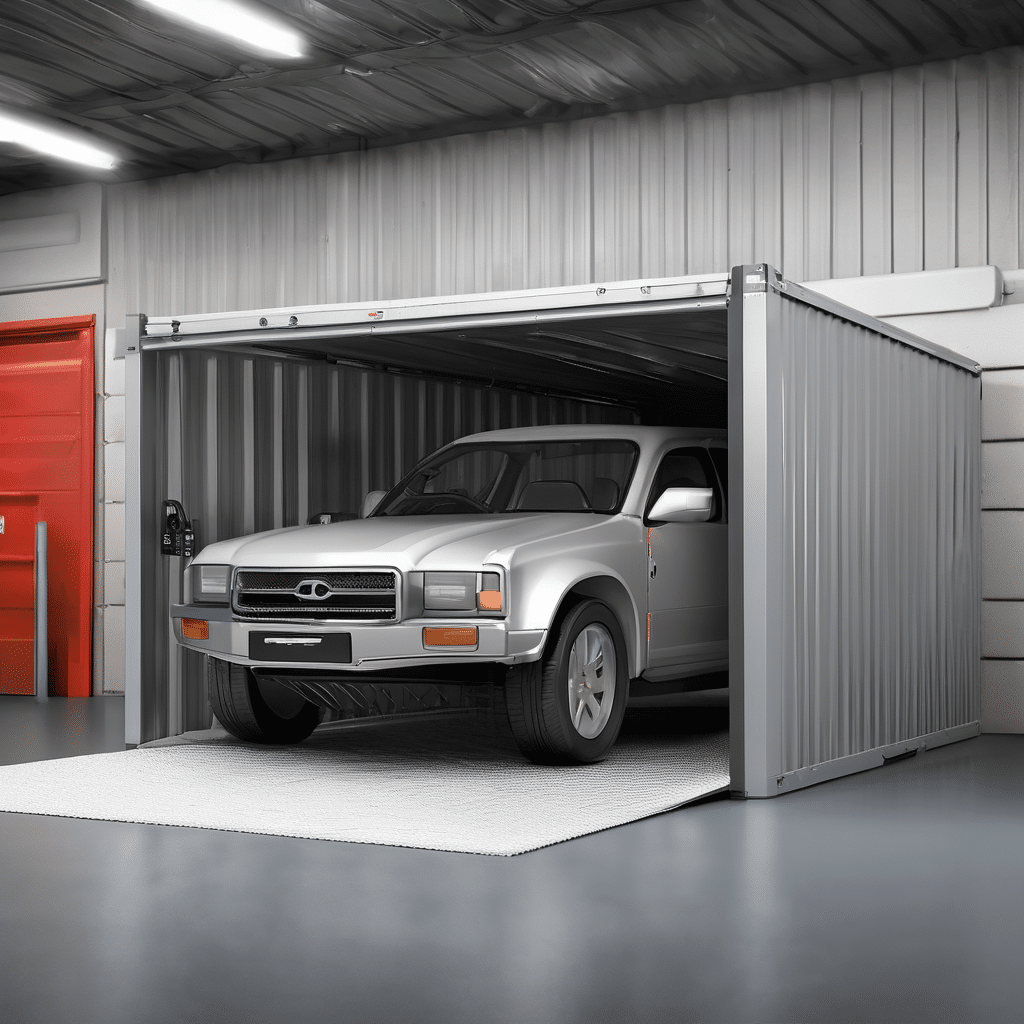
Storing a vehicle for an extended period of time can seem like a daunting task. However, with the right preparation and tips, it can ensure that your car remains in peak condition when you're ready to hit the road again.
Choosing the Right Storage Facility
Selecting the appropriate storage facility for your vehicle is crucial. It is essential to consider several factors in this decision.
- Location: Opt for a location that is not prone to flooding or other harsh environmental elements.
- Security: Ensure the facility has robust security measures in place, such as surveillance cameras and secure fencing.
- Climate Control: A climate-controlled environment helps prevent rust and interior damage.
By considering these factors, you can find a storage solution that meets your needs and keeps your vehicle safe.
Preparing Your Car's Interior
Before storing your car, it's essential to focus on the interior, ensuring it's clean and ready for the long haul.
Thorough Cleaning: Begin with a thorough cleaning of the car's interior. Vacuum and wipe down all surfaces to eliminate any debris or stains.
Odour Prevention: Place a few moisture absorbers in the cabin to prevent mould and unpleasant odours. These can conveniently keep the interior fresh.
These simple steps help maintain the value and condition of your vehicle's interior.
Protecting Your Car's Exterior
Your car's exterior needs just as much attention as its interior before storage.
- Wash and Wax: A complete car wash followed by a good wax can protect your car’s paint job.
- Cover: Use a high-quality car cover to shield from dust and potential scratches.
These protective measures ensure that your car remains pristine, making it ready to drive as soon as storage ends.
Maintaining the Engine and Fluids
Your car's mechanical health is vital during long-term storage.
Fluid Levels: Check and top up all fluid levels, including oil, coolant, and brake fluid, as they can degrade over time.
Fuel Stabiliser: Add a fuel stabiliser to the tank to prevent the fuel from breaking down and causing issues when you restart the vehicle.
These precautions keep the engine in optimal condition, minimizing problems when you restart it.
Taking Care of the Tyres
Flat spots can occur on tyres if they sit stationary for too long.
- Inflate: Inflate the tyres to the recommended pressure to counteract flat spotting.
- Tyre Jacks: Consider using tyre jacks or blocks to lift the car slightly, reducing tyre pressure and preventing flats.
These measures keep your tyres in top shape, ready to roll when you're back.
Battery and Electrical Considerations
A car’s battery is a vital component that can be affected by long-term storage.
Disconnect: Disconnect the battery to prevent it from discharging completely.
Battery Tender: Alternatively, use a battery tender or trickle charger to maintain a consistent charge.
These steps ensure the battery is healthy and fully charged when you need it.
An Unexpected Lesson
One Australian family learnt valuable lessons after storing their vehicle for a year while travelling overseas.
Upon their return, they found that neglecting proper preparation resulted in costly repairs.
Mould Had Developed: Their oversight in not using desiccants led to mould, requiring a complete interior refurbishment.
Additionally, the battery was fully drained, necessitating a costly replacement.
This experience serves as a compelling reminder of the importance of good preparation.
Additional Small Precautions
Ensuring that small but significant elements are addressed can prevent bigger problems from arising.
- Windscreen Wipers: Lift the wipers to prevent them from sticking to the glass.
- Parking Brake: Avoid engaging it, as it can cause brakes to bind. Instead, use wheel chocks.
Such small steps can save time and money, ensuring a seamless return to the road.
Windows and Air Circulation
Keeping good air circulation can help preserve a vehicle’s condition during storage.
Windows: Leave them slightly open to allow airflow and prevent a stale odour.
- Climate Control: Use climate monitoring tools if possible, to ensure the interior environment remains stable.
These measures improve the preservation of the atmosphere within your stored vehicle.
In summary, taking the time to prepare your vehicle properly for long-term storage can save money and stress in the long run. By considering all aspects of the process, from choosing the right facility to taking care of both interior and exterior elements, you can ensure your car stays in tip-top shape. Following these guidelines will mean that the next time you are ready to use your vehicle, it will be in perfect condition, ready to drive from storage straight to the road without any hiccups.
Compare storage prices before choosing a unit
Use the guide to understand cost factors, then compare real storage options by location, size, access and conditions.
Leave a Reply