
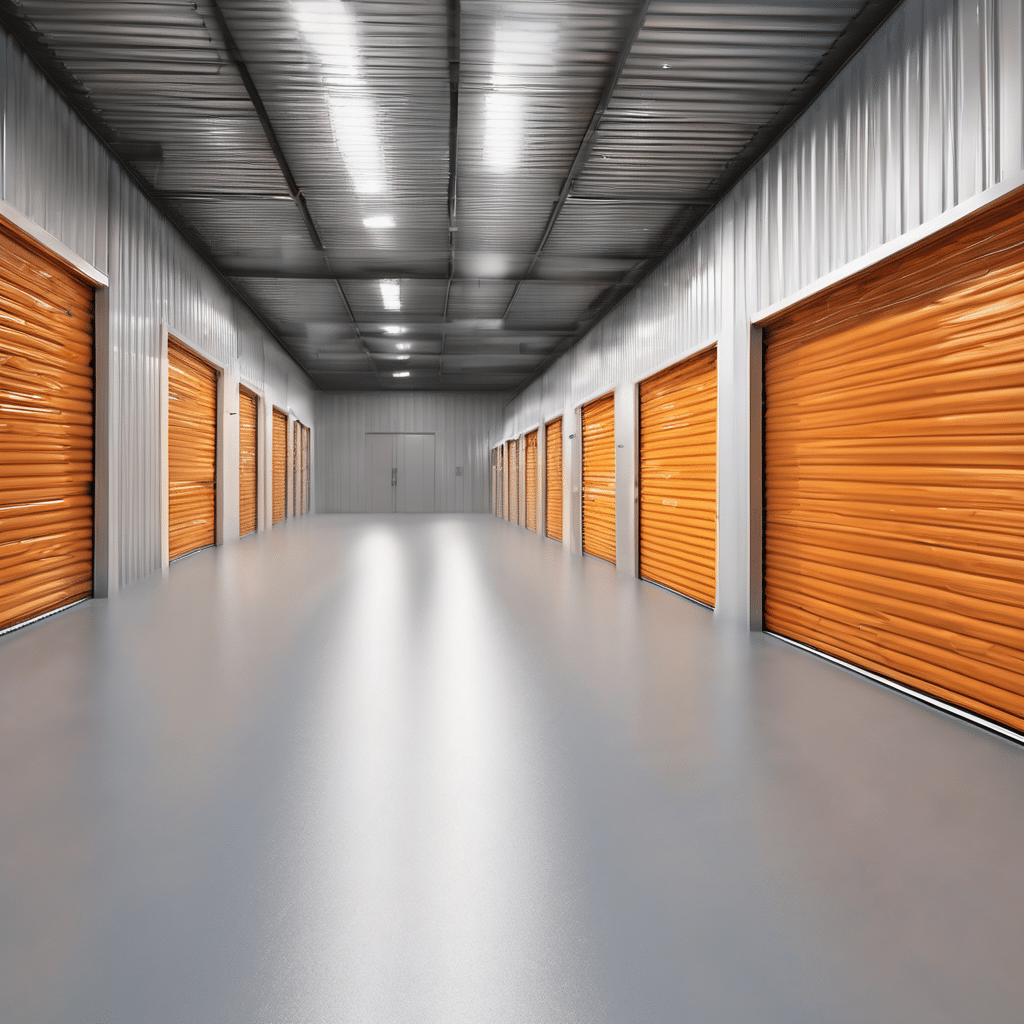
In Australia, the demand for commercial storage units has surged as businesses seek efficient solutions to manage their inventory, documents, and equipment. Entrepreneurs find these storage facilities advantageous for numerous reasons.
Location and Accessibility
When selecting a commercial storage unit, consider its location first. Proximity to your business can significantly affect logistics.
A short drive can save time and money, especially for companies frequently accessing their stored items.
Accessibility is equally important. Most storage facilities offer 24/7 access, but it’s essential to confirm.
Imagine needing something critical on a holiday only to find the facility closed.
Transportation Links
Easy access to major roads or public transport is a bonus. It simplifies the transportation of goods to and from the storage site.
Facilities near industrial hubs often provide better value and convenience.
Security Features
The importance of security in a storage unit cannot be overstated. Businesses store valuable assets and sensitive information.
Ensure the facility has robust security measures in place.
Security Measures to Look For
- 24/7 Surveillance: Constant monitoring deter potential threats.
- Access Control: Secure keypads or biometric systems restrict unauthorized access.
- Alarm Systems: Alarms provide immediate alerts of any breaches.
One company shared how an advanced security system in their storage facility helped avert a break-in.
The intruders were detected by motion sensors, promptly alerting the authorities.
Storage Specifications
Each business has unique storage requirements. Determine the exact specifications required for your inventory.
Climate Control
Some items demand particular environmental conditions. Think about whether your materials need climate-controlled units.
Without this feature, items susceptible to temperature fluctuations can degrade over time.
Unit Sizes
Commercial storage units come in a variety of sizes. From compact lockers to expansive warehouse spaces, there are solutions for every need.
- Small Units: Ideal for documents, small equipment, or excess stock.
- Medium Units: Perfect for storing office furniture or seasonal inventory.
- Large Units: Best for extensive inventories or machinery.
Select a unit size that accommodates your needs without excessive unused space.
Cost Implications
Cost is always a consideration. Balance quality features against budget constraints.
Hidden costs include administrative fees or insurance requirements.
These can catch businesses by surprise.
Leasing Terms
Understand the leasing agreement fully. Does the facility offer flexible month-to-month leases, or require long-term commitments?
Short-term contracts provide more flexibility, especially for businesses with fluctuating requirements.
Additional Features and Amenities
Many facilities now offer added features designed to meet specific business needs.
Loading Docks and Machinery
Loading docks, pallet jacks, and forklifts can simplify the process of moving items.
Ensure these are available if you need them.
Office Space
Some storage providers offer integrated office spaces. This can be convenient for businesses needing on-site administrative functions.
Consider this feature as a potential operational advantage.
One Australian retailer discovered that renting a storage unit with office space reduced their operational costs by 20%.
This setup allowed them to manage inventory on-site daily.
Technology and Connectivity
The integration of technology into storage facilities can enhance business operations.
Wi-Fi and Internet Access
Having reliable connectivity ensures businesses can stay online even within the storage unit.
This can be crucial for businesses using cloud-based systems for inventory management.
Software Integration
Modern facilities offer software solutions that aid in inventory tracking.
Integration with existing business software can streamline operations significantly.
In summary, choosing the right commercial storage unit requires careful evaluation of multiple features. Prioritize location and accessibility, making sure the facility meets your requirements for security and convenience. Weigh the cost implications carefully against your budget, and explore modern amenities and technological advances offered by the facility. By considering these factors, businesses can find a storage solution that not only meets their immediate needs but also provides long-term benefits and peace of mind. With the right choice, you can ensure that your valuables are stored safely and efficiently, contributing to the smooth operation of your business in Australia.
Leave a Reply