
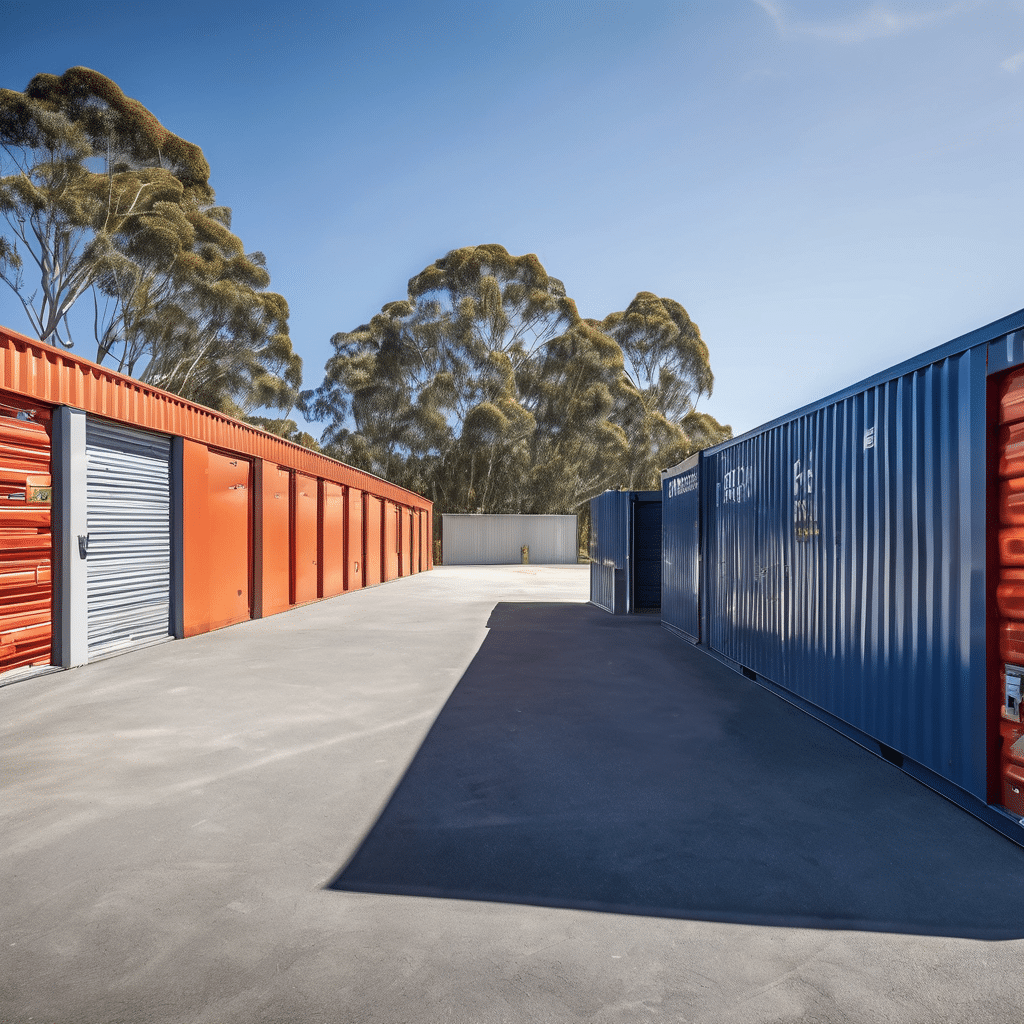
Choosing between business storage and warehouse space is a significant consideration for businesses of all sizes in Australia. This decision impacts efficiency, cost, and operational growth.
Understanding Business Storage
Business storage units offer flexible and secure options for companies.
These units cater to businesses needing additional space without geographical limits.
Typically, storage facilities are easily accessible and designed with safety in mind.
Flexibility is a key feature of business storage.
Companies can adjust the space they rent as their requirements change.
Security and Accessibility
Modern business storage facilities provide top-notch security systems.
These systems include surveillance cameras, controlled access, and even alarm systems.
Furthermore, these storage units usually offer 24/7 access, ensuring your business operations are not limited by time.
Warehouse Space: A Deeper Dive
Warehouse space is more expansive and typically used for larger-scale operations.
This option is ideal for companies with vast inventories or needing to store substantial equipment.
Warehouses often provide loading docks and are strategically located to facilitate distribution.
Cost Considerations
The cost of warehouse space can be higher than business storage due to size and amenities.
Additionally, managing a warehouse requires a more significant investment in staffing and utilities.
- Maintenance
- Insurance
- Security Personnel
All these factors contribute to the overall expenses associated with warehouse spaces.
Which Is Better for Your Business?
The decision largely depends on your business's unique needs.
If your priority is flexibility and cost-effectiveness, business storage might suit you better.
On the other hand, if you require larger scale storage for manufacturing or distribution, a warehouse makes more sense.
Usage Case Scenario
Consider the case of a small e-commerce business expanding rapidly in Melbourne.
Initially, business storage might be adequate to handle their inventory.
However, as sales increase and inventory grows, transitioning to warehouse space could become necessary.
This shift enables them to optimize their supply chain and handle larger shipments efficiently.
Questions to Ask Before Deciding
Before making a choice, businesses should ask themselves critical questions.
What is the nature of your inventory?
Are seasonal fluctuations a consideration?
How important is location in relation to your customers or manufacturing facilities?
These queries can provide valuable insights and guide the decision-making process effectively.
- Intent to Scale
- Budget Constraints
- Proximity to Partners
An Industry Insight
Interestingly, a recent study illustrated that more Australian businesses are opting for hybrid solutions.
This involves using both business storage and warehouse spaces based on their operational needs.
For instance, a firm might store less frequently needed items in a warehouse while keeping fast-moving inventory in business storage units.
Such a strategy not only balances costs but also enhances operational flexibility and responsiveness to market demands.
Moreover, this approach has been noted to streamline supply chain operations, a critical factor in today's competitive market landscape.
Making the Right Choice
Ultimately, the decision should align with your company’s strategic goals.
A thoughtful assessment will ensure efficient use of resources and bolster overall business growth.
Whether you choose business storage or warehouse space, both have their distinct advantages.
Being informed will enable a decision that supports your business's unique needs while considering future growth.
Think long-term and recognise that flexibility and scalability are crucial to any successful business strategy.
In summary, assessing your storage options in Australia requires a clear understanding of your business's current and future needs. Keep location, cost, and scale in mind, and you'll make a sound investment in your company's infrastructure.
Compare storage prices before choosing a unit
Use the guide to understand cost factors, then compare real storage options by location, size, access and conditions.
Leave a Reply